
Article: Red Light Therapy: What It Is and How It Fits Into a Sauna Routine
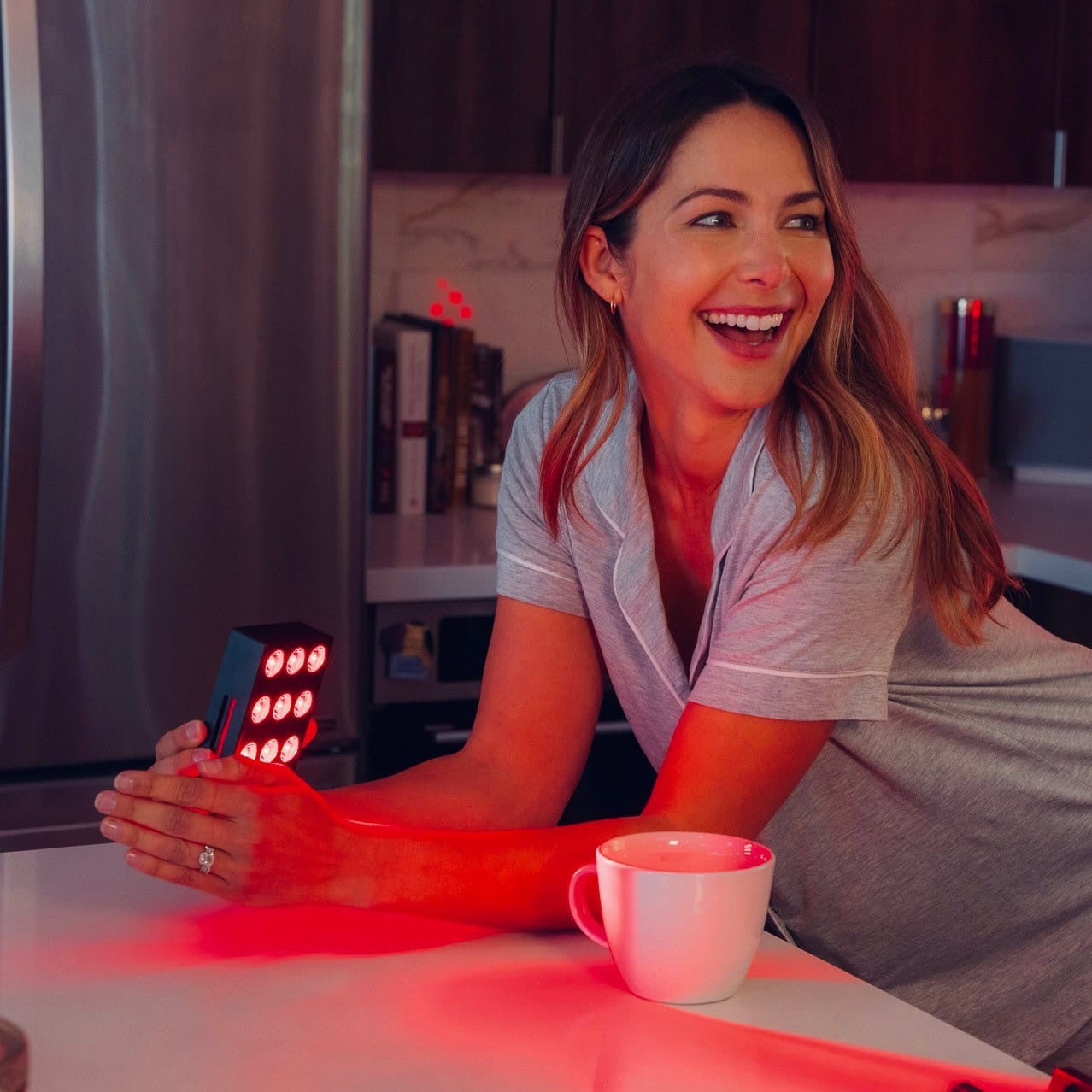
Red Light Therapy: What It Is and How It Fits Into a Sauna Routine
Red light therapy has become a popular addition to at-home wellness routines. You may see it used in recovery studios, skincare spaces, gyms, and home wellness setups. Many people include it as part of a routine focused on relaxation, comfort, skincare habits, and post-activity recovery.
Red light therapy is not magic, and it is not one-size-fits-all. The experience can depend on the device, wavelength, distance, session time, consistency, and how the product is used. This guide explains what red light therapy is, how people commonly use it, how it may fit with sauna use, and what to consider when building a safe and realistic routine.
What Is Red Light Therapy?
Red light therapy uses visible red light and near-infrared light delivered from LEDs, and in some cases, lasers. In research settings, this type of light exposure is often called photobiomodulation, or PBM. Many red light therapy panels use wavelengths in ranges such as:
- Red light: commonly around 630–660 nm
- Near-infrared light: commonly around 810–850 nm
Exact specifications can vary by device. Wavelength is only one part of the picture. Session time, distance from the device, light intensity, coverage area, and consistency also matter.
What Is Red Light Therapy Commonly Used For?
Skin Appearance and Skincare Routines
Red light therapy is often discussed in skincare and aesthetics for its potential role in supporting the appearance of skin texture and overall complexion. Experiences vary by device, routine, and individual skin type. It should not be treated as a replacement for professional dermatology care or medical treatment. If you have a skin condition or specific concern, consult a qualified healthcare professional before use.
Post-Activity Comfort and Recovery Routines
Some people include red light therapy as part of a post-workout or recovery routine. It may help create a calm, structured routine after exercise or physical activity. Results vary and should not be interpreted as a guaranteed improvement in soreness, performance, or recovery. Always follow the device manufacturer’s instructions for distance, session time, frequency, and safe use.
A Consistent Wellness Habit
For many users, the main benefit of red light therapy is the structure it adds to a wellness routine. A simple, repeatable session can help create a calmer daily rhythm, especially when paired with other habits such as stretching, sauna use, hydration, or quiet downtime.
Is Red Light Therapy Safe?
Red light therapy does not use UV light. When used according to manufacturer instructions, many devices are positioned as low-risk wellness tools. However, device quality, brightness, session time, distance, eye exposure, and individual sensitivity matter. Some users may experience temporary redness, warmth, irritation, or discomfort.
Practical safety tips include:
- Follow the manufacturer’s session time and distance recommendations
- Use eye protection if recommended by the device manufacturer
- Avoid looking directly into bright LEDs
- Start slowly if you are new to red light therapy
- Stop use if discomfort occurs
- Consult a qualified healthcare professional if you have a light-sensitive condition, take photosensitizing medication, or have any medical concern
FDA-Cleared vs. FDA-Approved: What Customers Should Understand
Customers may see terms such as “FDA-cleared” or “FDA-approved” when researching wellness devices. These terms do not mean the same thing.
In general:
- “FDA-cleared” usually means a device has gone through a specific clearance pathway for a stated use.
- “FDA-approved” is a different regulatory category and is not the same as clearance.
- General wellness products must be marketed with realistic claims that match their intended use.
When shopping for red light therapy products, look for clear specifications, realistic product claims, manufacturer guidance, warranty information, and transparent support.
How Red Light Therapy Fits Into a Sauna Routine
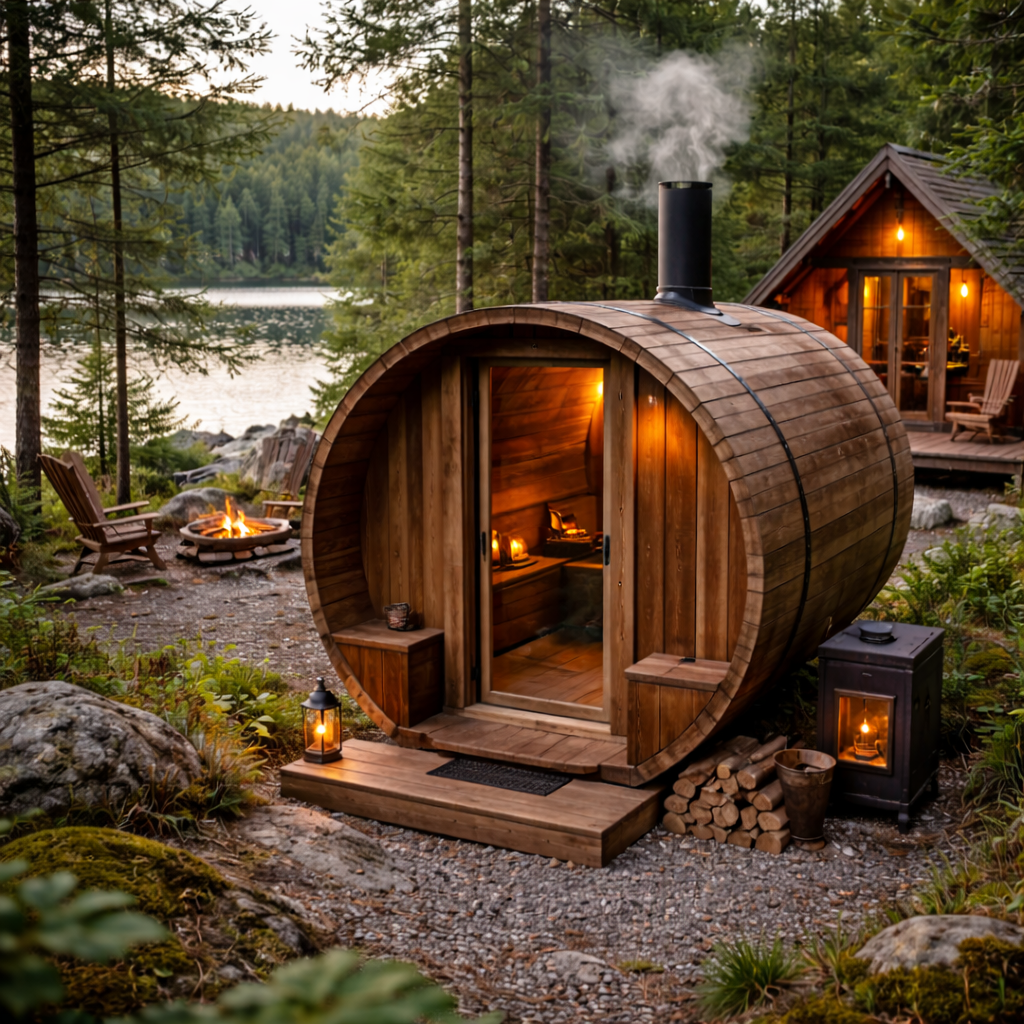
Saunas and red light therapy are often paired because they can feel complementary. Sauna use creates a warm environment for relaxation, while red light therapy is often used as a calm, structured wellness session. The key is to keep the routine comfortable and not overdo it. Heat exposure, hydration, and light exposure should be managed carefully.
A simple conservative routine may include:
-
Sauna session according to your tolerance and sauna guidance
-
Short cool-down and hydration break
-
Red light session according to the device instructions
Avoid stacking long heat exposure and long light sessions without rest, hydration, or attention to how you feel.
Should You Use Red Light Therapy Inside a Sauna?
Only use a red light device inside a sauna if the device is specifically designed and rated for sauna environments. Before using any device in or near a sauna, check whether it is suitable for:
- High heat
- Humidity
- Electrical safety
- Ventilation
- Safe distance from the body
- Manufacturer-approved use conditions
For most customers, the simpler approach is to use red light therapy after stepping out of the sauna and cooling down. This makes the routine easier to manage and may help protect the device from heat-related damage.
What to Look for in a Quality Red Light Therapy Device
A high-quality device can make the experience more consistent and easier to follow. When comparing products, consider:
Wavelength clarity
Look for brands that clearly list the wavelengths used, such as red and near-infrared ranges.
Output transparency
Reliable brands should provide guidance on distance, session time, and recommended use.
Build quality and safety
Check for sturdy construction, safe electrical design, proper ventilation or cooling, and clear usage instructions.
Eye guidance
Bright LEDs may be uncomfortable for the eyes. Follow the manufacturer’s eye-safety recommendations.
Warranty and support
Red light therapy devices are an investment, so clear warranty terms and customer support are important.
A Practical Beginner Routine
If you are new to red light therapy, start gently and follow the manufacturer’s directions. A simple routine may include:
- A few sessions per week
- Shorter sessions at first
- Consistent distance from the device
- Hydration and cool-down time if paired with sauna use
- Tracking how you feel after each session
If pairing with sauna use, keep the routine simple:
- Sauna session according to your tolerance
- Cool down and hydrate
- Red light session according to device instructions
The goal is not to push harder. The goal is to build a routine that feels safe, comfortable, and sustainable.
Common Mistakes to Avoid
Red light therapy works best when used consistently and according to the device instructions. Common mistakes include:
- Choosing a device with unclear specifications
- Ignoring manufacturer guidance
- Standing too far away or too close
- Using sessions that are too long
- Skipping eye protection when recommended
- Expecting instant or guaranteed results
- Using the product inconsistently
- Treating it as a replacement for medical care
More is not always better. Session time, distance, and frequency should follow the manufacturer’s guidance.
Why Red Light Therapy Is Popular in Winter
Winter is a common time for people to look for indoor wellness routines. Shorter days, colder weather, and more time indoors can make warming, calming habits feel especially appealing. Red light therapy is often used as part of a broader routine that may include sauna bathing, stretching, skincare habits, hydration, and quiet recovery time. It is best positioned as a general wellness tool, not as a medical solution.
Realistic Expectations
Red light therapy may be a helpful part of a home wellness routine, but it should be approached with realistic expectations.
The best experience usually comes from:
- Choosing a reputable device
- Following manufacturer instructions
- Using it consistently
- Pairing it with safe habits
- Keeping expectations realistic
- Paying attention to your own comfort and response
Red light therapy can fit nicely into a sauna routine, especially when used after a cool-down period. For many users, the value is in creating a calm, repeatable routine that supports relaxation, comfort, and consistency at home.
Disclaimer
This content is for general informational and educational purposes only. Statements on this page have not been evaluated by the FDA. This content is not medical, health, installation, or professional advice. Product benefits, usage guidance, comparisons, and recommendations may be based on manufacturer materials, supplier information, industry resources, public references, or general product knowledge. While we make reasonable efforts to keep the content accurate, it may not always be complete, current, or 100% accurate and may differ from other sources. Results and experiences may vary. Sauna Sanctum products are intended for general wellness use only and are not intended to diagnose, treat, cure, or prevent any disease or medical condition. Always consult a qualified healthcare professional before using our products if you have any medical condition or health concern.
Leave a comment
This site is protected by hCaptcha and the hCaptcha Privacy Policy and Terms of Service apply.